

Trapped by a Pandemic, Freed by History: My unexpected Visit to Ojukwu’s Bunker.
So, there I was just a quick visit to see my parents I said to myself only to be turned into an unexpected lockdown retreat, courtesy of the infamous Covid-19. 😂 What was supposed to be a short stay stretched into weeks (maybe months? Who’s counting), and while the world slowed down and gradually eased off on the lockdown, I decided to take a look around, I dusted off my sandals and went exploring. Top on my list? The legendary Ojukwu Bunker.
Now, if you’ve been following my adventure on Youtube I went to the National War Museum as a part A, the Ojukwu bunker is the part B to my adventure.
Fun fact: there is an underground escape route that once connected the museum to Ojukwu’s secret bunker, but it has been sealed off since the war ended. Still, I was determined to see where it all led.
Arrival
Getting there was refreshingly simple and affordable just how i like my travels. All it took was a quick hop on a tricycle popularly referred to as Keke and a friendly mention of “Ojukwu Bunker,” and we were off. The moment I stepped into the compound, I could tell this place had stories to tell. Lush greenery, a quiet calm, and a park area that looked like it hosted children’s programs or school tours. Then, standing tall and proud near the entrance were the statues of Dr. Michael Okpara and Chief Dim Chukwuemeka Odumegwu Ojukwu—a reminder of just how deep-rooted this place is in Nigerian history.

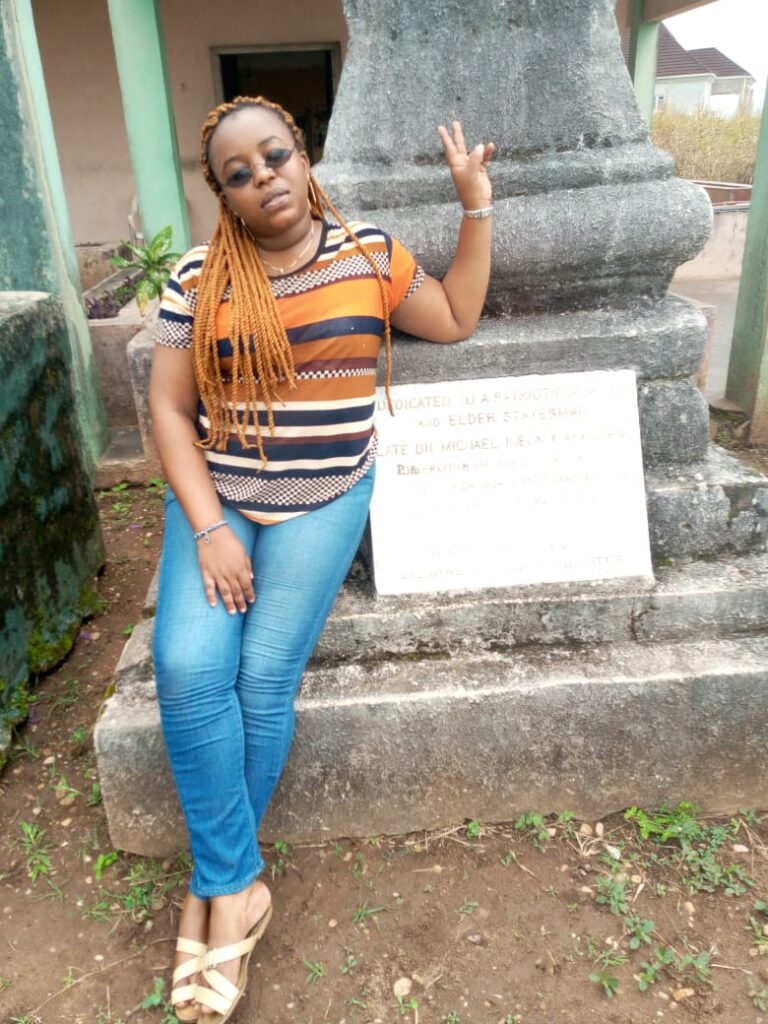
At the entrance, a friendly woman welcomed me and mentioned a ₦500 entry fee, which included a tour guide. And trust me, you need a guide for this one unless you want to play hide-and-seek with history underground.
Then came the highlight: descending into the actual bunker Watch Video. The walls Cold, quiet, and carved with purpose, the space was once Ojukwu’s secret hideout during the Nigerian Civil War. This very bunker, in its space was where he strategized, gave orders, and operated the famous Radio Biafra—a voice of resistance broadcast from beneath the earth.
The Bunker
Descending about 30 feet underground, I found myself in a place that once held the weight of a nation’s hope and fears. At the heat of the Nigerian Civil War, this hidden bunker served as a command center for the Biafran leadership, safely tucked away from the reach of the Nigerian Army. It was here Dim Chukwuemeka Odumegwu Ojukwu held crucial meetings and broadcasted messages to the people through Radio Biafra.
As I followed the dim glow of my guide’s flashlight, I stepped into what can only be described as a fully functional underground apartment and I mean that literally. There was a meeting room, a surprisingly cozy living room, a bedroom, kitchen, storage room and even a washroom I was in awe. How was this all constructed beneath the earth and in wartime?
Here’s the kicker: it was completed in just 90 days! Yes! you read that right three months to build an entire fortified underground structure, hidden in plain sight using limited resources.

Naturally, you’d think the air down there would be stiff and hot, right? Wrong. The Biafran engineers were no joke. They had installed ventilator pipes and air shafts to keep the space breathable, a smart solution that is still impressive today. The architectural layout was brilliantly done by Frank Mbanefo which was on display and offered a peek into the level of thought and planning poured into the bunker.
Like any good fortress, there were two escape routes, perfectly planned for emergency exits. I got to walk out through one of them, and trust me, it added a whole new thrill to the experience, like something straight out of a war film.
Final Thoughts
However, one glaring downside reminded me why so many of our historical gems fade out over time: POWER SUPPLY there was no light inside the bunker. We relied entirely on flashlights, which made the experience feel raw and real but also highlighted how much more engaging this place could be with proper preservation and investment.
Still, light or no light, that visit lit something up in me, a deeper appreciation for our history, our resilience, and the hidden brilliance of those who came before us. There was something humbling standing in a space that once held so much tension, fear, and hope all at once. It wasn’t just a tourist spot; it was a time capsule.
So, what started as a pandemic lockdown turned into a historical deep dive. If you ever find yourself in Abia State, don’t sleep on the chance to visit Ojukwu Bunker. It is a short ride, with an affordable fee, rich in layered experience and knowledge that will leave you thinking long after you have stepped back into the light.
YOUTUBE VIDEO
Blogspot


